An Exercise in Love
An Exercise in Love
Oya Schooley, The Episcopal Academy
September 16th, 2026

Come August, I start working on my letters of recommendation. Starting early makes my fall more manageable. I'm able to be more present during school hours if I'm not trying to write rec letters with twenty-five interruptions in between. And I'm more present in my life outside of work, too—which by October always seems to have shrunk down to nothing. My family wants to do things like enjoy the fall weather, and I never have time to spare, especially after the NACAC Conference. Every year I hope that maybe this will be the year when I can actually go apple picking. Fall is a blur, but November is glorious, which is what keeps us going. Getting a good chunk of my letters sketched out in August helps the fall feel less tired and blurry, more memorable and enjoyable.
Writing letters of recommendation is among my favorite parts of the job, because I get to stare into the souls of my students. I read their surveys and their writing. I read what teachers have said about them, what parents wanted to brag about their kids. Then I combine all of it with my own impressions of the student, built from actually getting to know them. I add in context—their impact on our community, where they're coming from, their hopes and dreams, their relationship to the school, the social forces they're living within. All of it, together, gives me something close to what the anthropologist Geertz called a "thick description" of a person. I think about my students more deeply than they'll ever know.
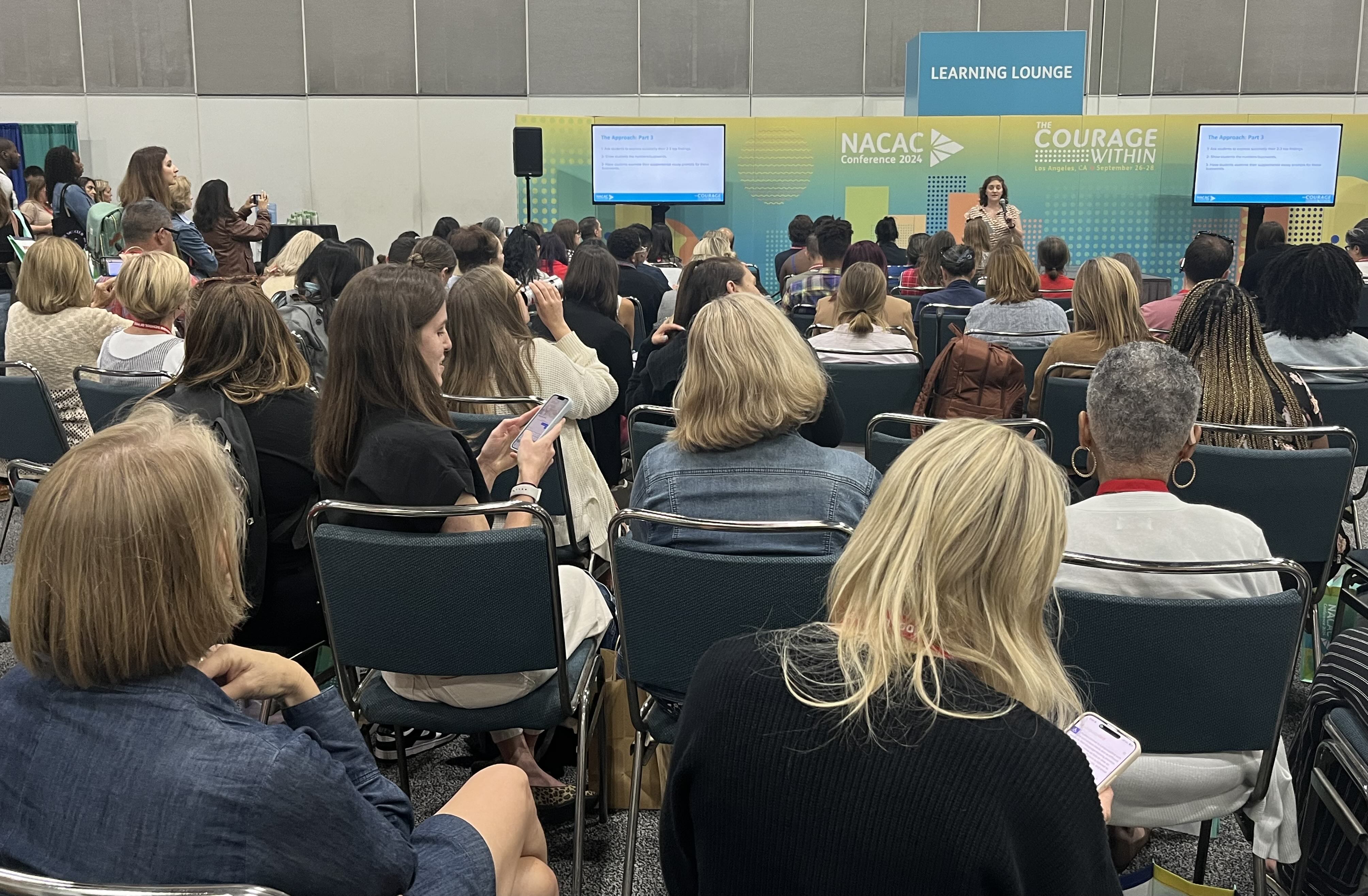 Last fall at NACAC, while presenting “Below the Water’s Edge: A Reflective Deep Dive to Aid Students’ Supplemental Essay Writing,” I felt immense hope as I witnessed the enthusiastic nods from attendees. We know that many selective and highly selective institutions in the United States emphasize holistic review in their admissions process. A student’s ability to engage in diverse communities has become an increasingly prized attribute. Just as grades are a strong predictor of future academic success, a student’s capacity to thrive in diverse environments is best conveyed by how effectively they articulate their unique perspectives and backgrounds during the application process.